
US lawmakers ask for Biden’s aid on Vietnamese pork tariffs

by Bloomberg May 06, 2021
A bipartisan group of U.S. House lawmakers is asking the Biden administration to seek the elimination of Vietnam’s tariffs on American pork and address other restrictions as it engages with the Southeast Asian country over currency and trade practices.
U.S. pork producers have failed to gain significant access to pork-loving Vietnam that has seen its domestic pig farms devastated by the African swine fever, increasing the demand for imported pork, according to a letter Wednesday to U.S. Trade Representative Katherine Tai that was signed by 72 members of Congress, both Republicans and Democrats,
However, “significant tariff and non-tariff barriers unfortunately prevent U.S. pork from competing in that country, even as it seeks reliable sources of non-domestic pork,” the representatives said in the letter. “Consequently, our competitors in the EU as well as the Comprehensive and Progressive Trans-Pacific Partnership participants are well-positioned to take advantage of this tremendous opportunity given their free trade agreements with Vietnam.”
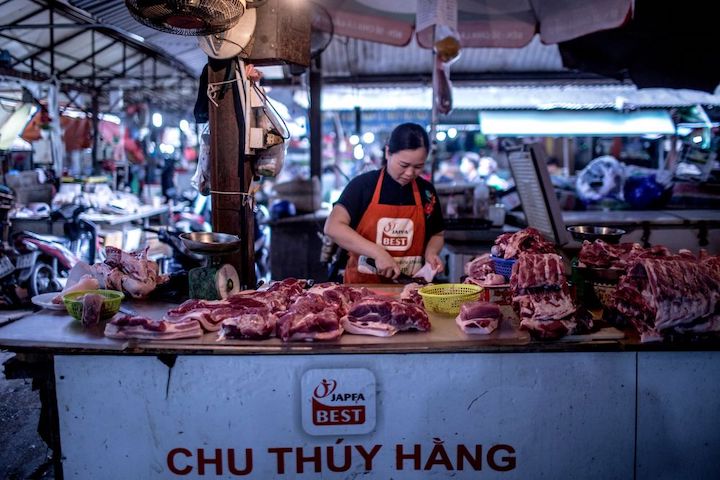
Vietnam has culled more than two million domestic pigs and imported hogs in the past two years because of African swine fever. Pork is the meat most Vietnamese rely on for daily protein.
Vietnam last year temporarily cut its U.S. frozen pork import tariffs to 10% from 15%. This resulted in a doubling of American exports to the country during the second half of 2020 compared with the first six months of the year, the letter said. The temporary duty reduction expired at the end of 2020.
“We reduced import tariffs for American pork last year and Vietnam is actively implementing steps within trade and investment agreements between the two countries to boost bilateral trade,” said Nguyen Do Anh Tuan, spokesperson for Vietnam’s agricultural ministry. “We will continue to work with our U.S. counterparts on measures to help balance our trade ties with the U.S.”
Vietnam has allowed 475 U.S. companies to sell pork and meat products in the country, Tuan said.
The representatives said in the letter to Tai that “the past few years have been extraordinarily difficult for U.S. pork producers due to trade retaliation from top U.S. export destinations” as well as disruptions brought about by the coronavirus pandemic.
U.S. producers also face restrictions to the Vietnamese market caused by “burdensome” administrative procedures, not recognizing the U.S. pork plant inspection and approval system and inconsistent processes for the import of some pork organ meat, said Maria Zieba, assistant vice president of international affairs for the National Pork Producers Council.
Bloomberg
© Bloomberg
The author’s opinion are not necessarily the opinions of the American Journal of Transportation (AJOT).
Similar Stories

Transportation Consumer Price Index – June 2026
View ArticleSogese H2 Outlook: Suez return could unleash capacity and trigger fresh port congestion
Container freight rates have continued to climb into July.
View Article
Key European shipping corridor hit by river and rail freight ‘double whammy’
View Article
DHL Group deploys Disaster Response Team to Venezuela
View Article
Asian nations are building new trading zones to deflect the Trump tariff impact
View Article
Tighter supply and higher prices reshape Pacific Rim softwood markets
View ArticleGet the most up-to-date trending news!
SubscribeIndustry updates and weekly newsletter direct to your inbox!
Follow us on social media:


