
U.S. coal shipments declined 8% in 2023 as coal consumption fell sharply
Jul 16, 2024
The amount of coal transported in the United States decreased 8% in 2023, continuing a trend in which coal shipments have generally decreased over the past two decades as coal’s share of power generation has declined in the United States. The amount of coal transported to power plants, which are often located far from mines, decreased by more than half, falling from 957 million tons in 2010 to 422 million tons in 2023.
We expect the decline in coal consumption to reverse this year. In our recently published July update to the Short-Term Energy Outlook, we forecast an increase in use of coal to generate electricity in the United States this year, with use dropping back to about 2023 amounts in 2025.
Although the amount of coal being transported closely follows the coal consumption rate, the two measurements can differ from year to year. During 2023, U.S. coal producers shipped 35 million more tons (9%) than U.S. power plants consumed. Surplus deliveries last year boosted inventory levels at power plants by 48%, reducing deliveries in early 2024. Conversely, coal shipments to power plants in 2021 and 2022 were 59 million tons less than the amounts consumed during those two years, and inventories dropped to less than 100 million tons.
Railroads dominate coal transportation
Four major modes of transportation move coal from the mines to power plants. Railroads transported nearly three-quarters of all U.S. coal in 2023. Because many coal-fired power plants are far from the coal fields and mines, railroads have proven to be the most efficient transportation mode given the extensive rail network across the country. U.S. coal is also transported by barges that operate on the inland river system, trucks, or conveyer belts in much smaller quantities.
Some coal is transported by two modes, first shipped by railroad and then loaded into a barge, ship, or truck for final delivery. In 2023, 9% of railroad shipments also used a secondary mode of transportation to reach the destination, such as ships on the Great Lakes, barge, truck, or conveyor belt.
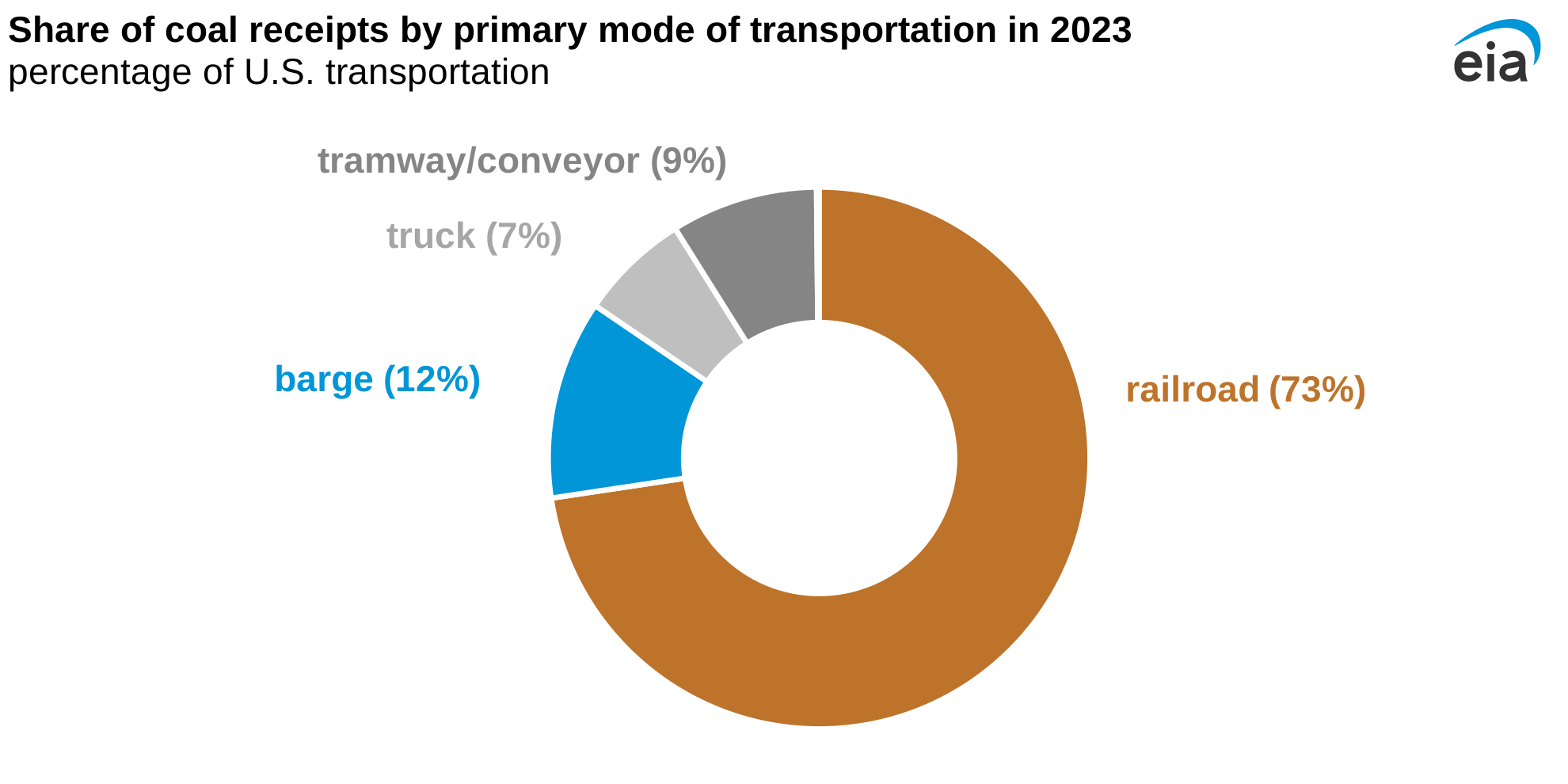
Note: Approximately 1% of primary mode shipments are made by other waterborne methods, including tidewater pier.
Similar Stories

Before 2026 diesel spike: US zero emission trucks deployments were rising
View Article
bound4blue eases eSAIL® adoption with ABS review of Pwind calculation methodology
View Article
A mobile green hydrogen refueling station enables the immediate deployment of a hydrogen bus fleet in Northern Germany
View Article
U.S. refinery capacity has dropped from 2025 to 2026
View Article
Svanehoj to supply LTD gauging systems for an LNGC-to-FSU conversion
View Article
TGP appoints Igor Muñiz as Chief Strategy Officer
View ArticleGet the most up-to-date trending news!
SubscribeIndustry updates and weekly newsletter direct to your inbox!
Follow us on social media:


