
Transpacific rates at a two-month low, as congestion grows on East Coast
Oct 06, 2021With production in China slowed during Golden Week and by power restrictions, and with delays making it increasingly unlikely that shipments not already moving will make it in time for the holidays, transpacific ocean rates stayed level this week at their lowest point since mid-August. Rising oil prices could mean that carriers will increase fuel surcharges at the end of the month.
The congestion – as well as the sky-high value of an empty container back in Asia – may also be responsible for pushing North America-Asia export rates up more than 10% this week to more than $1,000/FEU from both coasts.
Asia-US rates:
Asia-US West Coast prices (FBX01 Daily) increased 4% to $16,749/FEU. This rate is 330% higher than the same time last year.
Asia-US East Coast prices (FBX03 Daily) also climbed 4% to $19,429/FEU, and are 315% higher than rates for this week last year.
Analysis
With production in China slowed during the Golden Week holiday and by power restrictions in some areas, and with ocean delays making it increasingly unlikely that shipments not already moving will make it in time for the holidays, transpacific ocean rates stayed level this week after a significant drop a week ago. But rising oil prices could mean that carriers will increase fuel surcharges at the end of the month pushing rates back up.
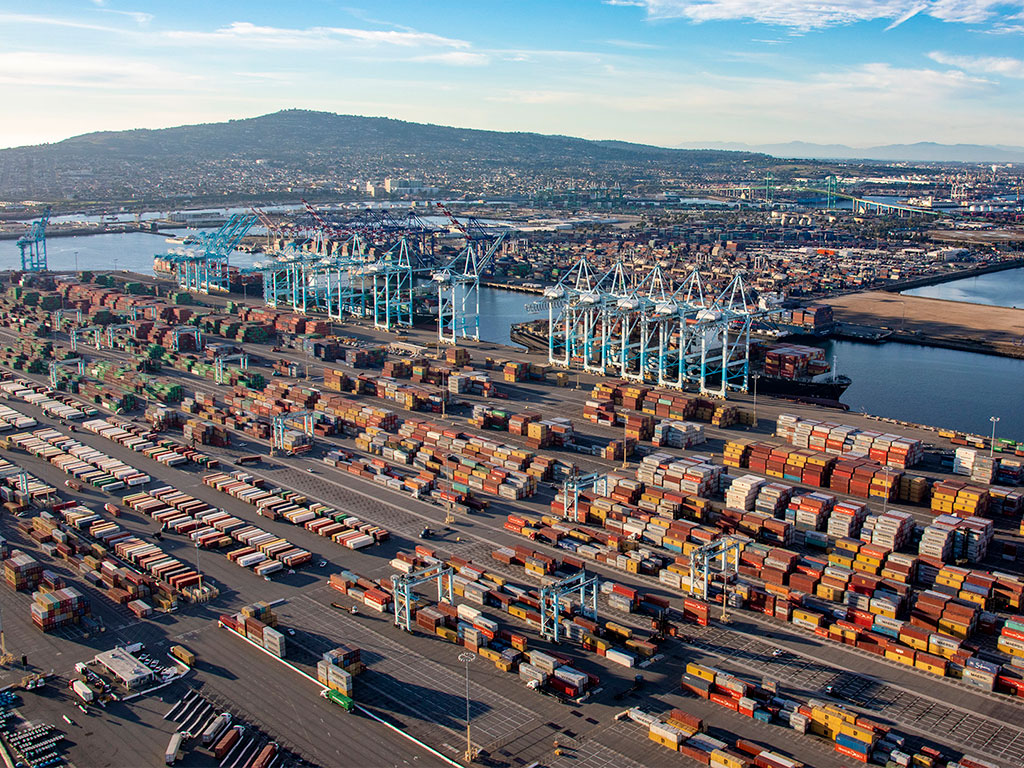
Despite the current drop, worsening port congestion and delays at LA/Long Beach are still keeping Asia-US prices extremely high at more than quadruple their level a year ago. The congestion – as well as the sky-high value of an empty container back in Asia – may also be responsible for pushing North America-Asia export rates up more than 10% this week to more than $1,000/FEU from both coasts.
The epic delays at LA/Long Beach have sent many importers looking for other options. But that shift in volumes is now causing congestion at West Coast alternatives like Seattle and Vancouver, and East Coast ports like New York/New Jersey and Savannah.
The non-stop disruptions to the supply chain are impacting many of the biggest importers along with smaller shippers. Major retailers like Home Depot and Costco have recently chartered their own container ships to secure some ocean space. This week’s latest example of importer creativity came from Coca-Cola, which announced that it avoided the container market completely for a recent 60K ton shipment moved in sacks aboard a bulk carrier instead.
Source: FBX Weekly
Similar Stories

Xeneta weekly ocean container shipping market update - July 24 (week 30)
View Article
CN delivers on commitments with strong second quarter results
View Article
CMA CGM PSS – from the Mediterranean & North Africa to the Middle East Gulf & Red Sea
View Article
MOL develop and introduce the ‘Skater’ to streamline cargo handling on car carriers
View Article
We Work the Waterways expands leadership team with appointment of Foster as Deputy Director
View ArticleCMA CGM PSS - from the Mediterranean to the Middle East and Red Sea (OOG cargo)
CMA CGM Peak Season Surcharge (PSS) rates applicable as from August 1st, 2026 (date of loading in the origin ports) until further notice:
View ArticleGet the most up-to-date trending news!
SubscribeIndustry updates and weekly newsletter direct to your inbox!
Follow us on social media:


