
SMIC ‘potentially’ broke law if it made Huawei chip, US says

by Bloomberg Mar 21, 2024
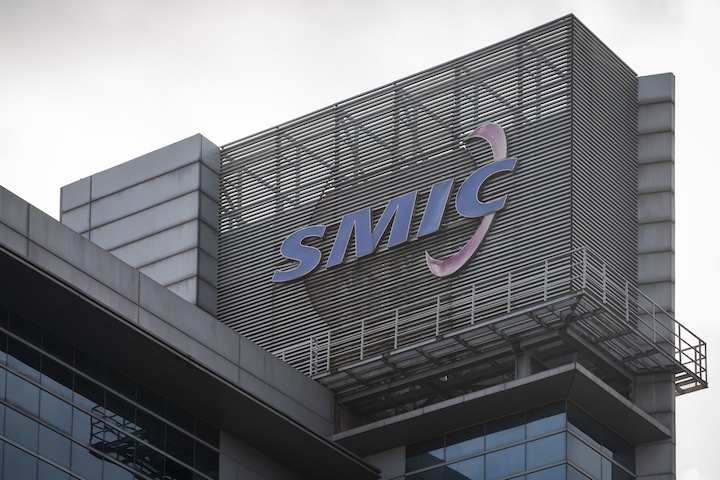
Chinese chipmaker Semiconductor Manufacturing International Corp. “potentially” broke American law if it manufactured a processor for sanctioned telecom giant Huawei Technologies Co., a senior US official said.
Under Secretary of Commerce for Industry and Security Alan Estevez was questioned about the 7-nanometer processor that SMIC made for Huawei during testimony before lawmakers Thursday. When asked by Foreign Affairs Committee Chairman Michael McCaul whether SMIC violated US controls, Estevez said “potentially, yes.”
“We’ll assume that it was SMIC,” Estevez said. “I can’t talk about any investigations that may or may not be going, but we certainly share those concerns, and that’s certainly the reporting.”
Estevez described SMIC’s manufacturing process as “low-yield,” repeating past comments from Commerce officials questioning China’s ability to produce advanced chips at scale and at a consistent performance threshold.
Estevez heads the agency’s Bureau of Industry and Security, which is responsible for chip export controls and sanctions that the Biden administration hopes will kneecap China’s semiconductor ambitions. President Joe Biden has introduced sweeping restrictions on the ability of Chinese companies to purchase advanced chips and chipmaking gear from American firms, and persuaded key allies including the Netherlands and Japan to introduce their own curbs.
Despite those efforts, Shenzen-based Huawei managed to debut an advanced 7-nanometer chip in a smartphone that went on sale while Commerce Secretary Gina Raimondo was visiting China in August. The chip in Huawei’s Mate 60 device was manufactured by SMIC but relied heavily on technology from Dutch equipment giant ASML Holding NV and US gear makers including Lam Research Corp. and Applied Materials.
That equipment was exported to China before US and Dutch curbs limiting such transactions went into effect, Bloomberg News has reported.
“They did access tools before we put in our tool controls — not the highest-end tools, but the level just below that,” Estevez said. “Those tools will ossify over time and that process will be degraded.”
The Bureau of Industry and Security said in September that it is probing the “purported” 7-nanometer chip, and Raimondo has vowed the “strongest possible” action to protect US national security. The Biden administration is considering sanctioning Huawei’s secretive network of potential chipmaking partners, as well as a couple of firms officials say could purchase restricted equipment and sell it to the telecom giant.
American officials are also pushing their Dutch and Japanese counterparts to tighten their chip controls — and trying to persuade Germany and South Korea to join the arrangement, particularly to stem the flow of spare parts from those countries to China.
Republican lawmakers including McCaul have pushed the Biden administration to fully cut off Huawei and SMIC from their American suppliers.
Bloomberg
© Bloomberg
The author’s opinion are not necessarily the opinions of the American Journal of Transportation (AJOT).
Similar Stories

Transportation Consumer Price Index – June 2026
View ArticleSogese H2 Outlook: Suez return could unleash capacity and trigger fresh port congestion
Container freight rates have continued to climb into July.
View Article
Key European shipping corridor hit by river and rail freight ‘double whammy’
View Article
DHL Group deploys Disaster Response Team to Venezuela
View Article
Asian nations are building new trading zones to deflect the Trump tariff impact
View Article
Tighter supply and higher prices reshape Pacific Rim softwood markets
View ArticleGet the most up-to-date trending news!
SubscribeIndustry updates and weekly newsletter direct to your inbox!
Follow us on social media:


