
Cold chain suppliers hold strong at the Port of Savannah
May 26, 2020In the midst of the coronavirus pandemic, the producers, shipping lines and logistics providers who form the global supply chain for Savannah's chilled cargo imports have continued to deliver rock-solid service.
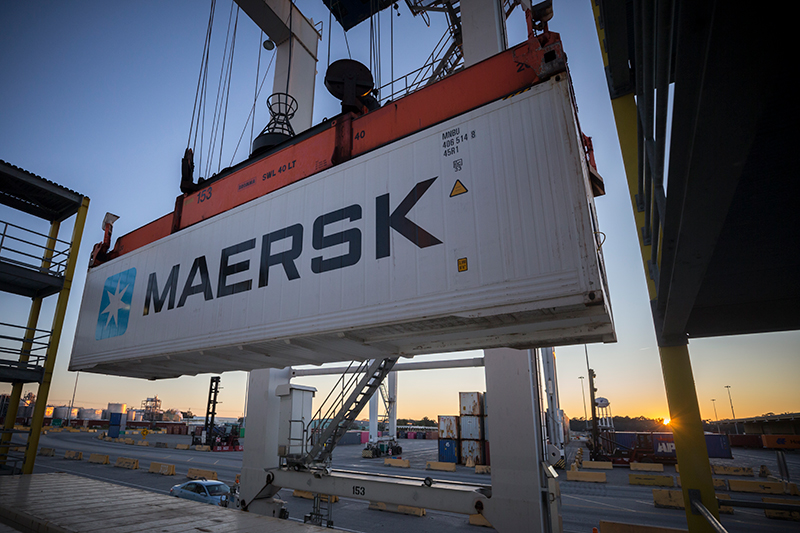
Import numbers have remained steady from origin nations across regions such as South and Central America amid COVID-19 concerns. Total refrigerated imports reached 26,230 containers for the fiscal year through the first week of May, the latest data available. That constitutes growth of 10.5 percent or approximately 2,500 containers.
"The Port of Savannah has been very agile and willing to meet the challenging needs of the produce industry," said Evan Moss, senior director of perishables for the J&K Fresh East division of 721 Logistics. "Refrigerated cargo imports are extremely time-sensitive with market prices constantly changing based on the conditions of supply and demand that exist throughout the country."
With proximity to markets such as Atlanta and Memphis, the Port of Savannah provides faster delivery and cost-efficient transport for perishables such as citrus, grapes, avocados and tropical fruits. The scale of GPA's refrigerated cargo infrastructure is also a significant advantage. GPA features 119 refrigerated container racks, for a total of 2,856 container slots.
In 2019, the Georgia Ports Authority successfully completed the U.S. Department of Agriculture's Southeast In-Transit Cold Treatment Pilot Program, which expanded Savannah's portfolio of perishable products by allowing South American citrus fruit, grapes, blueberries and other produce items to enter via the port. This program provides substantial cost savings to customers across the Southeast and beyond.
Routing perishable goods through Savannah to serve the U.S. Southeast means perishable items reach stores five to seven days sooner, for improved shelf life and product quality.
Similar Stories

Port charts bold future at annual State of the Port
View Article
GPA’s Ocean Terminal renovation now 55 percent complete
View Article
Strong U.S. exports, infrastructure constraints and global shifts reshape inland freight flows
View Article
Kalmar and Steinweg extend partnership with new order for electric reachstackers
View Article
Volkswagon Group of America surpasses 250,000 vehicles shipped through Port Freeport
View Article
Public and private sector collaboration keep freight moving on inland waterways
View ArticleGet the most up-to-date trending news!
SubscribeIndustry updates and weekly newsletter direct to your inbox!
Follow us on social media:


![[Freightos Weekly Update] Ocean rates climbing, with more increases expected soon](https://www.ajot.com/images/uploads/article/_thumbs/Support_grows_for_India%E2%80%99s_new_maritime_CCTV_rules.jpg)


