
CBP agriculture specialists prevent destructive foreign pests from entering the US
Apr 27, 2021U.S. Customs and Border Protection Agriculture Specialists (CBPAS) issued 214 emergency action notifications during the first quarter of 2021. Emergency Action Notifications (EAN) alert trade entities of non-compliance with Animal and Plant Health Inspection Service (APHIS) regulations. The EAN provides options for phytosanitary actions that must be taken to prevent the entry of plant pests, prohibited plant products, or animal products capable of introducing foreign animal diseases.
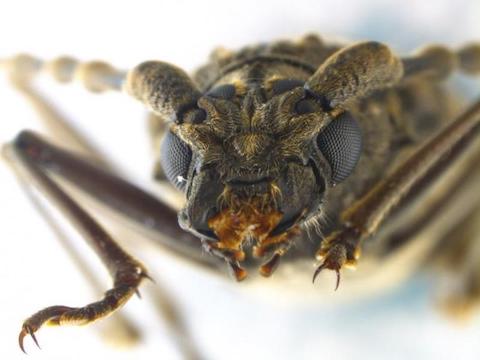
During an inspection of a rail container in International Falls, Minnesota, CBPAS intercepted a Longhorn beetle in a shipment of flower steel hardware washers from China. According to APHIS, the Longhorn beetle is a destructive pest of wood, causing millions of dollars of damage annually to the timber industry. The container was returned to China.
CBPAS in Portal, North Dakota found Mikania Micrantha Kunth, commonly known as “mile-a-minute vine”, within a shipment of hardware fittings from Malaysia. According to APHIS, the vine covers plants, shrubs, and trees may cause hepatoxicity and liver damage in dairy cattle. The container and contents were returned to Malaysia.
CBPAS in Pembina, North Dakota discovered a shipment of organic Fonio seed from Mali. Fonio is a small cereal grain belonging to the millet family. The shipment had weed contamination. Fortunately, the contaminants were found to pose no threat. The shipment was released.
“These agriculture seizures show the significant priority Customs and Border Protection places on our agriculture inspection program at our ports of entry,” said Pembina Area Port Director Jason Schmelz. “Preventing harm to domestic crops and vegetation is an important role our Agriculture Specialists provide this country.”
CBP Agriculture Specialists are the front line in the fight against the introduction of harmful insects and diseases into the U.S. They safeguard American agriculture by stopping plant pests and exotic foreign animal diseases that could harm vital agriculture resources at our nation’s borders.
During a typical day last year, CBP agriculture specialists across the nation seized 3,091 prohibited plant, meat, animal byproducts, and soil, and intercepted 250 insect pests at U.S. ports of entry.
Similar Stories

Transportation Consumer Price Index – June 2026
View ArticleSogese H2 Outlook: Suez return could unleash capacity and trigger fresh port congestion
Container freight rates have continued to climb into July.
View Article
Key European shipping corridor hit by river and rail freight ‘double whammy’
View Article
DHL Group deploys Disaster Response Team to Venezuela
View Article
Asian nations are building new trading zones to deflect the Trump tariff impact
View Article
Tighter supply and higher prices reshape Pacific Rim softwood markets
View ArticleGet the most up-to-date trending news!
SubscribeIndustry updates and weekly newsletter direct to your inbox!
Follow us on social media:


